Desirable Kitchens and Refacing logo
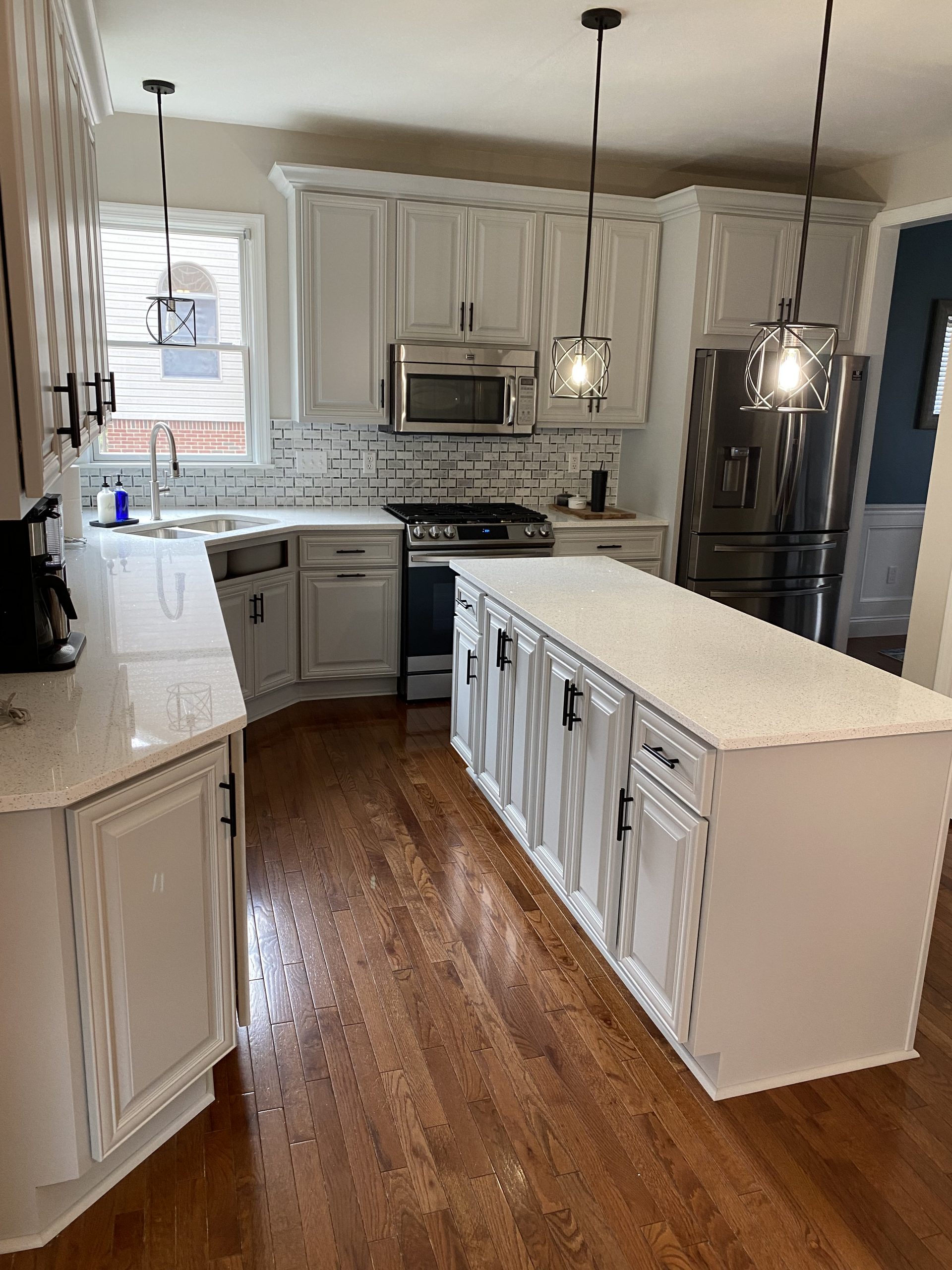
If your kitchen cabinets look dated but still work well, you may not need a full kitchen tear-out to get a fresh new look. For many homeowners in Pittsburgh and Western Pennsylvania, cabinet refacing is the middle-ground upgrade that improves what you see every day without replacing cabinet boxes that are still in good shape.
Instead of starting from scratch, cabinet refacing focuses on the visible parts of your cabinetry. That usually means replacing the doors and drawer fronts, updating the finish on the cabinet face frames, and adding new hardware to make everything look cohesive. The result is a kitchen that feels updated without the longer timeline, larger mess, and higher cost that often come with full replacement.
This guide walks through what cabinet refacing is, how the process works, what you can change, how to decide between refacing and replacing, what affects long-term value, and how to choose a style that fits your home. If you are exploring your options, a quick consultation can help you find out whether your existing cabinets are good candidates for refacing.
Cabinet refacing is a kitchen update that keeps your existing cabinet boxes in place while changing the parts that are most visible. In a typical refacing project, the old doors and drawer fronts are removed and replaced. Then the exposed cabinet face frames are covered with a matching veneer or finishing product to make the whole kitchen look consistent.
That distinction matters because refacing is not the same thing as replacing your cabinets. You are not removing the cabinet boxes and starting over. You are improving the appearance of a kitchen that already has a workable layout and structurally sound cabinetry.
For homeowners, that usually means less disruption and a more direct path to a new look. You still get the visual transformation many people want, without changing the kitchen’s footprint or rebuilding from the ground up. If you want a deeper explanation of what cabinet refacing involves, it helps to see the process broken down step by step.
It is also important to understand what refacing cannot do. Refacing does not move appliances, change the room layout, or create more cabinet space where none existed before. If you want to knock down walls, rework traffic flow, or completely redesign the kitchen, replacement or a larger remodel is usually the better path.
So, when is refacing the right fit? In most cases, it makes the most sense when:
That is why so many homeowners start by asking not just “What is refacing?” but “Does my kitchen qualify?” If the bones of your kitchen are still solid, refacing can be a very practical option.
One reason homeowners feel more comfortable with cabinet refacing is that the process is relatively straightforward. Once you know what happens during the project, it is easier to picture how it would work in your home.
In a professional refacing project, the original cabinet doors, drawer fronts, and related hardware are removed first. Then the visible cabinet face frames are refinished with a matching product, such as veneer, RTF, or melamine. The exposed cabinet sides are also skinned, ensuring a uniform finish from every angle. After that, new doors, drawer fronts, hinges, and hardware are installed.
This is also the stage where optional finishing touches may be added. Depending on the project, homeowners may choose features such as crown molding, glass panels, under-cabinet lighting, or upgraded storage accessories.
From a homeowner’s perspective, the biggest takeaway is this: refacing is usually a shorter, more contained process than full replacement. Most projects are completed in 2 to 5 days, depending on the kitchen size and scope. That range gives homeowners a realistic expectation without making the process sound identical for every home.
Because the cabinet boxes stay in place, the disruption is often more manageable than a full remodel. In many cases, you can still use parts of your kitchen while work is underway. You will have activity in the space, of course, but the project does not usually involve the extended downtime that comes with demolition and reconstruction.
That timeline is one of the biggest reasons homeowners lean toward refacing once they realize their cabinets are still in good condition. If your goal is a fresh look without weeks or months of living around a renovation, refacing is worth considering.
A common misconception is that refacing only changes cabinet color. In reality, homeowners can often make several visual and functional improvements during cabinet refacing.
At the surface level, refacing lets you update the overall style of the cabinets. That might include choosing a more modern door profile, a more classic finish, or details that better suit the rest of your home. Some homeowners like simple, clean lines, while others prefer more decorative touches or texture options such as beadboard.
You can also change the color or finish of your cabinets through new veneers, stains, or related finishing products. That means a kitchen that currently feels dark, orange-toned, or simply outdated can be shifted toward a lighter, warmer, richer, or more current look.
Functionality is another area where refacing can do more than people expect. Depending on the project, homeowners may be able to add storage and convenience upgrades such as:
These additions can make your kitchen more enjoyable to use without changing the overall layout.
Hinges and hardware also have a big effect on the finished result. Soft-close hinges are a popular upgrade because they help drawers and doors close smoothly and quietly. New pulls, handles, and knobs can also change the character of the room faster than many homeowners expect. Even relatively small details like these can help the kitchen feel more custom and intentional.
Trim elements, such as molding, may also be incorporated to elevate the final appearance. If your goal is not just to make the kitchen look newer, but to make it feel more finished, these details often matter.
If you want a fuller sense of the upgrade options during refacing, it helps to look at examples of what can be changed beyond just doors and drawer fronts.
This is usually the turning point in the decision process. Once homeowners understand what refacing is, the next question is whether it makes more sense than replacing the cabinets entirely.
The first question to ask is whether you are happy with your current kitchen layout. If the answer is yes, refacing may be a strong fit. When the cabinet placement already works, and the storage setup is largely functional, replacing everything may solve a problem you do not really have.
If the answer is no and you want to move appliances, add cabinets, rework the workflow, or significantly change the space’s structure, replacement is more likely to make sense. Refacing improves the look and can add some useful upgrades, but it is not meant for full layout changes.
The second question is whether your cabinets are structurally sound. This is one of the biggest qualifiers. If the boxes are strong, secure, and in good condition, refacing lets you keep that foundation while improving the parts that show wear or age. If the cabinets are warped, damaged, poorly built, or already failing, refacing will not fix the underlying issues.
The third question is how much disruption you can realistically tolerate. Full cabinet replacement often means a longer project, more mess, and greater impact on your routine. Refacing is typically faster and more contained. For many families, that difference matters just as much as appearance.
There is also an environmental consideration. Because refacing keeps existing cabinet boxes in place, it usually sends fewer materials to the landfill than full replacement. For homeowners who want to make a practical update while reducing waste, that can be an added benefit.
At this point in the process, many homeowners want a professional opinion on whether their kitchen is a good candidate for a remodel. A free consultation can often answer that quickly and help you decide which path makes the most sense for your home.
For a side-by-side look at refacing vs replacing your cabinets, consider each option through the lens of layout, cabinet condition, project length, and overall goals.
If you are stuck between refacing and replacing, you do not have to figure it out on your own. A consultation can help you evaluate your cabinet condition, talk through your goals, and get a clearer sense of what will work best in your kitchen. It is a simple way to move from general research to a more confident decision.
For the right kitchen, many homeowners find that cabinet refacing delivers strong value. The key is not whether refacing is always cheaper in every scenario. The real question is whether your current cabinets are good enough to justify keeping the existing boxes.
If they are, refacing can save time and money because you are not paying for a full tear-out and replacement. You are updating the most visible parts of the kitchen while keeping a structure that still does its job. That often makes refacing appealing to homeowners who want meaningful change without taking on a larger renovation than they need.
Value also comes from the practical side of the experience. A shorter project usually means less interruption to family life. Keeping the layout intact can also reduce the number of decisions and complications involved. For many people, the smoother process is part of what makes refacing feel worthwhile.
There is also the matter of waste. Because cabinet boxes remain in place when they are still usable, refacing generally creates less landfill waste than replacement. That does not automatically make it the best option for every kitchen, but it can make the decision feel more responsible when the existing cabinetry is still sound.
The flip side is just as important. If your cabinets are falling apart, damaged beyond surface wear, or built poorly to begin with, refacing is unlikely to offer the best long-term value. In that case, replacement may be the better investment.
If you are weighing whether refacing is worth it, the answer usually comes back to one thing: the condition of what you already have.
Understandably, some homeowners look into DIY cabinet refacing. On paper, it is a way to save money while still getting a new look. But cabinet refacing is one of those projects where the visible finish can hide a lot of technical work behind the scenes.
A DIY approach may look more affordable at first, but durability is often where problems show up. Achieving a clean, lasting result requires proper surface preparation, precise alignment, durable adhesives, accurate edge banding, and careful installation of doors, drawer fronts, and hardware. If any part of that process is off, the issues can show up in peeling surfaces, misaligned doors, uneven gaps, or hardware that does not operate smoothly.
Professional refacing holds up better in the long term because the work is done with the right materials, techniques, and attention to detail. Homeowners may not notice those differences on day one, but they often do over time.
There is also value in local experience. Pittsburgh homes vary widely in age and style, and cabinetry can be affected by seasonal humidity and temperature changes. A professional who works in this region like Desirable Kitchens, understands how to account for those conditions while helping homeowners choose styles that fit the home itself.
That does not mean DIY is impossible. It means the margin for error is smaller than many people expect, especially if you want the finished kitchen to look polished and stay that way. If you are comparing professional vs DIY cabinet refacing, long-term performance is often where the difference becomes most obvious, and two years down the road, after a DIY job, you will start to see the signs of wear and tear as a result of bypassing professional cabinet refacing.
Color does a lot of the visual work in a kitchen. Even if the layout stays the same, changing the cabinet color can completely shift how the room feels.
Many homeowners today are drawn to tones that feel grounded, warm, and easy to live with. Popular directions include:
One advantage of cabinet refacing is that you can move toward one of these updated looks without replacing the cabinet system itself. That gives homeowners more flexibility when they like their kitchen layout but want a very different visual style.
The best color choice usually depends on the rest of the room. Countertops, backsplash materials, flooring, wall color, and even the amount of natural light all affect what will feel balanced in the finished kitchen. A color that looks great in one home may feel too dark, too yellow, or too cool in another.
This is where examples become helpful. Homeowners who are unsure about color often benefit from seeing real projects and talking through combinations that suit their space. If you want ideas for current cabinet color trends, reviewing recent styles can help narrow down what feels current while still fitting your home.
By the time homeowners reach this stage, they usually know whether refacing is a promising option. What they want next is proof. They want to see what the process actually looks like in finished kitchens and get a better feel for style choices in real homes.
Project photos can help you compare cabinet colors, door styles, hardware selections, and overall design direction. You may notice that some homeowners choose simple white or warm neutral cabinets for a clean, bright look, while others opt for grey, green, or deeper tones for more contrast. You may also see how details like shaker doors, glass panels, and updated hardware affect the final look.
If you are ready to browse real examples, our cabinet refacing photo gallery is a good place to gather ideas and see how different design decisions come together in actual Pittsburgh-area kitchens.
If your cabinets are dated but still structurally sound, cabinet refacing may be one of the most practical ways to refresh your kitchen without a full replacement project. It gives homeowners the opportunity to update style, improve usability, and reduce disruption while keeping the existing layout in place.
The next step is simple. Talk with a professional who can evaluate your cabinets, answer your questions, and help you figure out whether refacing is the right fit for your kitchen. Desirable Kitchens works with homeowners throughout Pittsburgh, the South Hills, and Western Pennsylvania.
To get started, schedule your free consultation or call 412-650-4415.
How long does cabinet refacing take?
Most cabinet refacing projects are completed in 2 to 5 days, depending on the size of our kitchen and the scope of the project.
Can any cabinets be refaced?
No. Cabinet refacing works best when the cabinet boxes and face frames are structurally sound. If the existing cabinets have significant damage or underlying construction problems, replacement may be the better option.
Does cabinet refacing let me change my kitchen layout?
No. Refacing is designed to update the appearance of existing cabinetry while keeping the current layout intact. Major layout changes usually require replacement or a broader remodel.
What upgrades can I add during cabinet refacing?
Depending on the project, homeowners may be able to add new hardware, soft-close hinges, pull-out shelves, roll-out drawers, spice storage, hidden trash solutions, glass panels, molding, and other style or organization upgrades.
Is cabinet refacing eco-friendly?
It can be. Because the cabinet boxes stay in place when they are still usable, refacing generally creates less landfill waste than replacing the cabinets entirely.
Can I reface my cabinets myself?
It is possible in theory, but it is a detail-sensitive project. Professional refacing usually offers better durability, alignment, finish quality, and long-term performance, especially when compared with a DIY job that uses less specialized tools or materials.
